

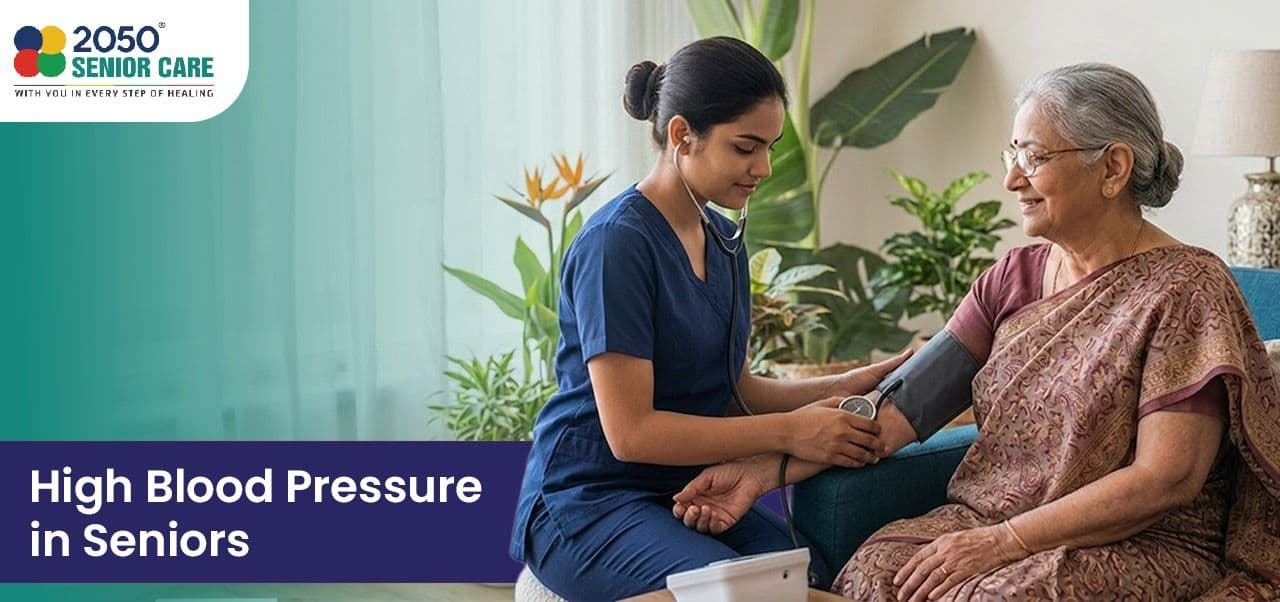
High blood pressure in seniors needs more than occasional BP checks because ageing can change how the body responds to medications, fluids, salt, and physical activity. A reading that seems mildly elevated may become more concerning when combined with kidney problems, diabetes, reduced mobility, or multiple medicines. Family members should watch for missed doses, dizziness after medication, unusual weakness, and changes in balance rather than focusing only on the numbers. These practical caregiving tips for family members can help identify changes early and support safer day-to-day blood pressure management.
Managing hypertension also means creating a routine that a senior can realistically follow without losing independence. Keeping a record of BP readings, medication timings, meals, activity, and unusual symptoms can help doctors identify patterns and adjust treatment when needed. Families who need structured support can explore the care approach offered by 2050 Senior Care, particularly when regular monitoring or assistance at home becomes difficult. The goal is not simply to lower blood pressure, but to reduce avoidable complications while helping seniors remain active and confident in their daily lives.
Causes of High Blood Pressure in Seniors
High blood pressure in seniors often develops from age-related changes, existing health conditions, and daily habits. Identifying the underlying cause helps families and doctors manage the condition more effectively instead of relying only on medication.
Artery Stiffness With Age
As people age, arteries can become less flexible and narrower. This increases resistance to blood flow and can gradually raise blood pressure. Arterial stiffness is one of the common reasons hypertension becomes more frequent in older adults.
Kidney Function Changes
The kidneys help control blood pressure by regulating fluid and sodium levels in the body. Reduced kidney function with age can cause excess fluid or sodium to remain in the bloodstream. This can contribute to persistent high blood pressure and may also make existing hypertension harder to control.
High Sodium Intake
Regularly eating salty foods can increase fluid retention and raise blood pressure. Packaged snacks, pickles, processed foods, instant meals, and restaurant foods can contain significant amounts of sodium. Reducing excessive salt intake is an important part of an elderly wellness guide, particularly for seniors already diagnosed with hypertension.
Multiple Medications
Some medicines can increase blood pressure or interfere with hypertension treatment. Certain pain relievers, decongestants, steroids, and other medications may have this effect in some people. Seniors taking several medicines should have their complete medication list reviewed regularly by their doctor.
Physical Inactivity and Weight Gain
Reduced physical activity can contribute to weight gain, weaker cardiovascular fitness, and poorer blood pressure control. Seniors who spend most of the day sitting may gradually lose strength and endurance. Safe walking, prescribed exercises, and regular movement can support better blood pressure management when medically appropriate.
Diabetes and Other Chronic Conditions
Diabetes, kidney disease, sleep apnea, and some heart conditions can increase the likelihood of hypertension. These conditions may also make blood pressure more difficult to control. Regular medical monitoring is especially important when an older adult has more than one chronic health condition.
Stress, Poor Sleep and Daily Routine
Persistent stress and inadequate sleep can affect blood pressure regulation. Sleep problems may be particularly important in seniors with sleep apnea or irregular sleep patterns. For families providing support, these aging parent care tips include maintaining consistent sleep schedules, encouraging appropriate activity, and watching for noticeable changes in mood or routine.
Family History and Genetic Factors
A family history of hypertension can increase a person's likelihood of developing high blood pressure. Genetic factors may influence how the body handles sodium, regulates blood vessels, and responds to other risk factors. Family members should consider this history when discussing long-term blood pressure monitoring with a healthcare professional as part of practical caregiving tips for family members.
Warning Signs of High Blood Pressure in Seniors
High blood pressure often causes no obvious symptoms, so regular monitoring is important even when a senior feels well. When symptoms do appear, they should not be dismissed as normal effects of ageing. These signs can help families recognise when an older adult may need prompt medical attention as part of an elderly wellness guide.
- Persistent or severe headache: A new or unusually strong headache, especially when it does not improve, should be taken seriously.
- Dizziness or unusual light-headedness: Repeated dizziness can indicate a blood pressure problem or another condition requiring assessment.
- Blurred or changing vision: Sudden or unexplained changes in vision should be reported to a healthcare professional promptly.
- Shortness of breath: Breathlessness during routine activities or while resting can occur with serious cardiovascular problems.
- Chest discomfort: Pressure, tightness or pain in the chest requires immediate medical attention, particularly when accompanied by sweating or breathlessness.
- Unusual weakness or confusion: Sudden weakness, confusion, difficulty speaking or loss of coordination can signal a medical emergency.
- Nosebleeds without an obvious cause: Recurrent or unusually heavy nosebleeds should be assessed rather than automatically attributed to ageing.
- Nausea or unexplained vomiting: These symptoms, particularly when combined with severe headache, dizziness or vision changes, warrant medical evaluation.
Families can use these aging parent care tips to notice changes early, but symptoms alone cannot confirm high blood pressure. A BP reading and professional medical assessment are needed to determine what is happening.
Practical Ways to Manage High Blood Pressure in Seniors
Managing high blood pressure in older adults requires consistent habits, correct medication use, and regular monitoring. According to American Heart Association Journals, the focus should be on keeping blood pressure controlled without making daily routines unnecessarily difficult. These measures can also make caregiving tips for family members more practical and easier to follow.
- Check blood pressure regularly: Record readings at consistent times and share unusual patterns with the doctor.
- Take medicines exactly as prescribed: Do not skip, double, stop, or change doses without medical advice.
- Reduce excess salt: Limit pickles, packaged snacks, processed foods, instant meals, and other high-sodium foods.
- Stay physically active: Encourage safe walking or doctor-approved exercises based on the senior's mobility and health.
- Maintain a healthy weight: Even modest weight management can support better blood pressure control.
- Limit alcohol and avoid smoking: Both can negatively affect cardiovascular health and blood pressure.
- Prioritise adequate sleep: Maintain a regular sleep schedule and discuss persistent snoring, breathing pauses, or poor sleep with a doctor.
- Manage stress: Simple activities such as gentle movement, breathing exercises, hobbies, and social interaction can help reduce daily stress.
- Attend regular medical reviews: Doctors can assess BP control, kidney function, other health conditions, and possible medication-related problems.
Blood Pressure Targets for Older Adults
Current evidence as per Harvard Health Publishing suggests that many adults over 60 may benefit from aiming for a systolic blood pressure below 130 mm Hg, rather than accepting higher levels simply because of age. A 2025 review found intensive treatment was linked with fewer cardiovascular events and deaths in adults aged 70 and older.
However, treatment should be individualised because older adults can be more vulnerable to medication-related dizziness and falls. Doctors may use lifestyle changes, one or more medications, or adjusted doses depending on the person's overall health and response to treatment.
Managing high blood pressure in seniors requires consistent monitoring, appropriate treatment, and practical lifestyle changes. Families should track BP readings, follow prescribed medicines and respond promptly to unusual symptoms. As part of an elderly wellness guide, these simple measures can help reduce complications while supporting safer, healthier, and more independent living for older adults.